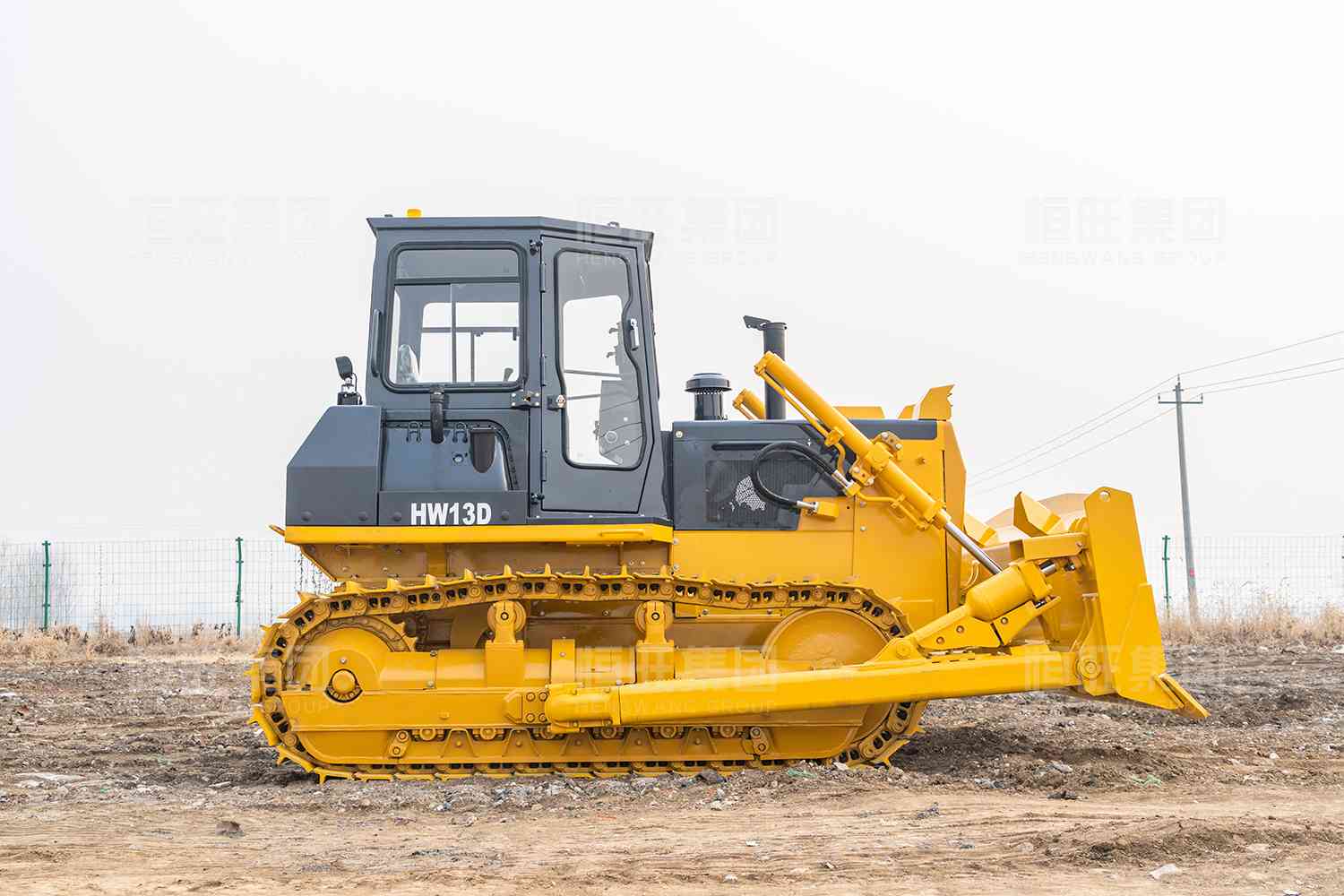
Core Components & Foundational Maintenance
A bulldozer's operational efficiency hinges on three critical systems: the powertrain, undercarriage, and hydraulic controls. Perform these daily checks before each operation:
Power System: Verify fuel lines for leaks, confirm oil levels using the dipstick, and inspect coolant conditions.
Undercarriage: Manually check track tension by pressing the tracks; clear debris like rocks and roots from rollers.
Hydraulic System: Observe cylinder movements for smoothness and inspect all connection points for leaks.
Proactive Maintenance Scheduling
Daily Operations (Every 8 Hours)
Remove mud and debris from radiator fins to prevent overheating.
Clean battery terminals to ensure stable voltage and avoid starting issues.
Lubricate pivot points, focusing on steering joints and lift cylinder mounts.
Mid-Cycle Maintenance (Every 50 Hours)
Replace hydraulic fluid and flush reservoirs using specialized cleaners to eliminate contaminants.
Inspect drive sprocket teeth for wear; repair pitting through welding or surface hardening.
Adjust track tension using hydraulic cylinder adjustments, maintaining a clearance of 0.5-1.0mm between guide wheels and track frames.
Critical System Preservation
Undercarriage Specialist Care
Employ pressure-lubrication systems for bearing maintenance, replenishing lithium-based grease quarterly.
Check track pin bushings for wear exceeding 3mm in diameter; replace or reface components as needed.
In high-temperature environments, increase lubrication frequency to prevent rubber component degradation.
Hydraulic Power Management
Install particle counters to monitor fluid cleanliness levels (ISO 4406 standard).
Replace primary filters every 100 hours using OEM-certified elements for optimal filtration.
Test hydraulic oil oxidation through acid-number testing to determine oil change intervals.
Fault Prevention & Rapid Response
Common Operational Issues
Power Loss: Inspect turbocharger performance and clean intercooler carbon deposits.
Steering Lag: Measure steering pump pressure and troubleshoot valve spool obstructions.
Excessive Vibration: Check driveshaft U-joints for wear and verify dynamic balance specifications.
Seasonal Adaptation Strategies
Winter Operations: Switch to low-viscosity oils and pre-heat systems 30 minutes prior to use.
Rainy Conditions: Protect electrical systems with waterproof enclosures and inspect connector seals.
Dusty Environments: Post-operation, use compressed air to purge dust from air filter elements.
Smart Maintenance Innovations
Adopt digital maintenance logs to track oil types, replaced components, and operational data. Predictive analytics using vibration analyzers and thermal imaging can forecast component failures. Recommended tools include:
Vibration sensors for bearing condition monitoring
Infrared cameras for detecting hydraulic system hotspots